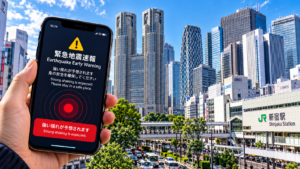
Ekiben in Japan: 5 Famous Japanese Train Bento Boxes and Where to Buy Them
 komatsuna_admin
Imagine watching the Japanese countryside pass by through the window of a Shinkansen while opening a beautifully prepared bento box filled with regional specialties.
Enjoying local food as you travel is one of the pleasures of exploring Japan by train.
Japan has a distinctive railway food tradition known as ekiben, or train station bento boxes. Originally created for railway passengers, ekiben have developed into a fascinating part of Japanese food culture.
Different regions offer different ingredients, local recipes, and even memorable packaging. Some travelers enjoy discovering new ekiben almost as much as visiting their destinations.
But where can you buy ekiben? Can you eat them on a Shinkansen? Are they supposed to be eaten cold? And what should you do with the packaging afterward?
This guide introduces the history of ekiben, five famous regional varieties, where to buy them, and the dining etiquette you should know before traveling by train in Japan.
1. What Is Ekiben? Japan's Unique Railway Food Culture
A Brief History of Ekiben
The precise origins of ekiben are debated, but one widely recognized early example dates to 1885 at Utsunomiya Station in Tochigi Prefecture. It reportedly consisted of rice balls and pickles wrapped in bamboo leaves.
As Japan's railway network expanded, station bento became popular across the country.
What began as a convenient meal for passengers gradually evolved into a showcase for regional ingredients, traditional cooking techniques, and local specialties.
Today, trying an ekiben can be a travel experience in its own right.
Why Are Many Ekiben Delicious Even When Cold?
Many Japanese ekiben are designed to be enjoyed without reheating.
The rice, side dishes, seasonings, and packaging are often selected with this in mind. Some ekiben, however, are sold warm or come with special self-heating containers.
Always follow the instructions printed on the package.
The Packaging Is Part of the Experience
Ekiben are famous not only for their food but also for their packaging.
Some use ceramic containers, while others feature illustrations of regional landmarks or designs inspired by trains.
Travelers sometimes keep distinctive containers as souvenirs after finishing their meals.
2. Five Famous Japanese Ekiben and Where to Buy Them
Japan has an enormous variety of regional ekiben. Here are five well-known examples that offer a taste of the country's diverse food culture.
Image note: The food illustrations in this article are AI-generated interpretations of the dishes, not photographs of the actual commercial products. Please visit each manufacturer's official website to see the products currently sold.
1. Ikameshi — Hokkaido

Ikameshi is a distinctive dish made by stuffing squid with rice and simmering it in a sweet and savory sauce.
It is especially associated with Mori Station in Hokkaido. The famous version produced by Ikameshi Abe Shoten dates back to 1941.
Its rich flavor and unusual appearance make it an interesting choice for travelers who want to discover traditional regional Japanese food.
Where to buy it: According to the producer's published information, ikameshi is sold year-round at Shibata Shoten near Mori Station and at Lawson Fujimi. Seasonal sales on the station platform and appearances at department-store food events may also be available.
Availability, quantities, and selling times may change.
Official product and sales information: Ikameshi Abe Shoten
2. Toge no Kamameshi — Gunma
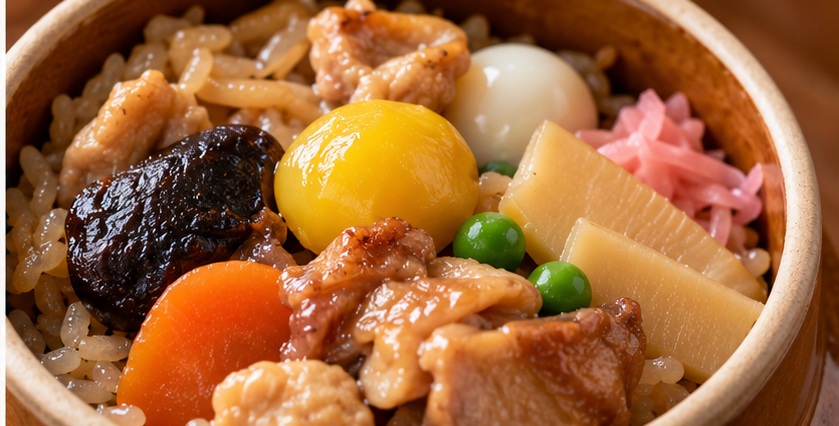
Toge no Kamameshi is one of Japan's best-known traditional railway bento meals.
Associated with Yokokawa Station in Gunma Prefecture, it features seasoned rice topped with ingredients such as chicken, shiitake mushrooms, chestnuts, and vegetables.
One of its most recognizable features is its traditional pot-shaped ceramic container.
Where to buy it: Look for it at the Yokokawa Station shop, Oginoya's own stores, and selected Tokyo Station ekiben retailers, including Ekibenya Matsuri and Ekibenya Odori, subject to availability.
Important: Some outlets sell versions in lightweight containers rather than the traditional ceramic pot. If you want the ceramic container as a souvenir, check the packaging before buying.
Official store information: Oginoya store directory | Oginoya Tokyo shops
3. Masu no Sushi — Toyama

Masu no sushi is a traditional pressed sushi made with trout and vinegared rice, typically wrapped with bamboo leaves.
It is one of Toyama Prefecture's most famous regional specialties and is often sold in a distinctive round container.
For sushi lovers, it offers a different experience from the familiar hand-shaped nigiri sushi.
Where to buy it: Products from Masu no Sushi Honpo Minamoto are available at shops around Toyama Station, including a store near the JR station's central ticket gates.
Different sizes and varieties may be available, making it possible to choose a portion that suits your journey.
Official store information: Masu no Sushi Honpo Minamoto
4. Gyutan Bento — Miyagi
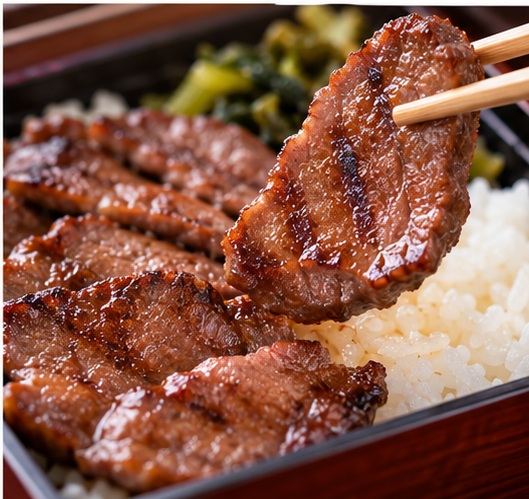
Gyutan, or beef tongue, is a famous specialty of Sendai in Miyagi Prefecture.
Gyutan bento combines grilled beef tongue with rice, creating a flavorful meal that is particularly appealing to travelers who enjoy meat dishes.
Some varieties are packaged in self-heating containers, allowing passengers to enjoy a warm meal without a microwave.
Where to buy it: Sendai Station has several outlets selling regional bento, including products from Kobayashi Bento. The company also lists a shop at S-PAL Sendai East Building, second floor.
Selected Kobayashi products may also be offered at Tokyo Station's Ekibenya Matsuri, depending on current stock.
Official sales information: Kobayashi Bento
5. Shiumai Bento — Kanagawa
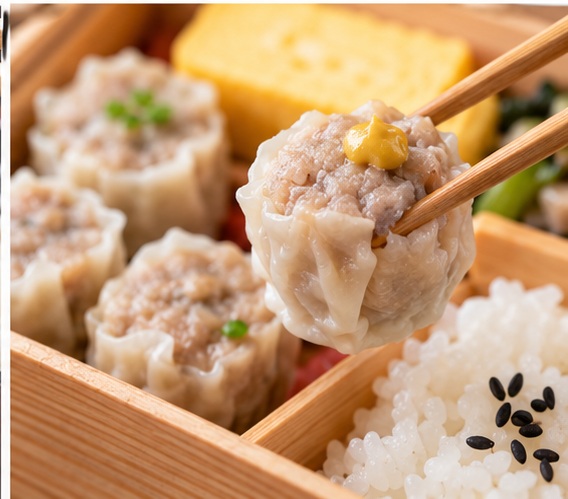
Yokohama's famous Shiumai Bento combines steamed shumai dumplings, rice, and a variety of Japanese side dishes.
The version made by Kiyoken was introduced in 1954 and has become one of Yokohama's most recognizable railway meals.
It is a good choice for travelers who want to sample several flavors in one box.
Where to buy it: Kiyoken operates shops around Yokohama Station, including its main shop near the east exit. Shiumai Bento is also sold at its Gransta Tokyo location inside Tokyo Station.
This makes it a convenient option for travelers starting a Shinkansen journey from Tokyo or visiting Yokohama.
Official information: Kiyoken | Kiyoken at Gransta Tokyo
3. Where Is the Best Place to Buy Ekiben?
Tokyo Station: Discover Ekiben from Across Japan
Tokyo Station is an excellent starting point for exploring Japanese railway food.
Shops such as Ekibenya Matsuri, located inside the JR ticket gates on the first-floor central passage, offer selections of regional bento from different parts of Japan.
However, not every famous ekiben is available every day. The selection depends on deliveries, seasons, and stock.
Regional Stations: Try Local Specialties
Stations and station-area shops in places such as Mori, Yokokawa, Toyama, Sendai, and Yokohama offer opportunities to discover food associated with those regions.
Choosing an ekiben connected to your destination can make the journey even more memorable.
Check Whether the Shop Is Inside the Ticket Gates
Some ekiben shops are inside the railway ticket gates, while others are outside.
Access to shops inside the gates normally requires an appropriate train ticket or station admission ticket. Check the shop's location before making a special trip.
Popular Ekiben Can Sell Out
Popular products sometimes sell out early. Delivery times and sales days may also vary.
If you have a particular ekiben in mind, check the producer's official website and ask whether reservations or advance orders are possible.
4. How to Choose and Buy an Ekiben
How Much Does an Ekiben Cost?
Prices vary depending on the ingredients, region, and size of the meal.
As a general planning estimate, many standard ekiben cost around ¥1,000–¥1,800, although premium varieties can be considerably more expensive.
These are approximate figures, not guaranteed current prices. Always check the price displayed at the shop.
Use Photos and Packaging to Help You Choose
Many ekiben packages feature pictures of the contents or descriptions of the ingredients.
Even if you cannot read Japanese, the pictures may help you decide what to buy.
If you have food allergies, do not rely on appearance alone. Check ingredient and allergen information carefully, and ask staff for assistance when necessary.
Pay Attention to Storage and Expiration Times
Ekiben are prepared foods, and many have relatively short consumption periods.
Follow the storage instructions and eat the meal before its stated expiration time.
In hot weather, avoid leaving an ekiben in direct sunlight or a warm place for an extended period.
For a long train journey, buying your ekiben shortly before departure is often a sensible choice.
5. Can You Eat Ekiben on Japanese Trains?
Eating on the Shinkansen and Limited Express Trains
Eating a bento on a Shinkansen or a long-distance limited express train is generally accepted and is a familiar part of Japanese railway travel.
Many seats have folding tables, making it easy to enjoy a meal while watching the scenery outside.
However, facilities and rules differ by train, so follow any instructions provided by the railway operator.
Avoid Eating Full Meals on Crowded Commuter Trains
On urban commuter trains and subways, eating a full meal is generally not customary, especially when the train is crowded.
It is more considerate to enjoy your ekiben on a long-distance train with suitable seating and space.
Be Considerate of Other Passengers
Choose food and eating habits that will not disturb people around you.
- Avoid excessively strong food odors when possible.
- Keep noise to a minimum.
- Do not spread food or belongings onto neighboring seats.
- Keep your seating area clean.
- Follow the train operator's instructions.
For more practical advice about railway travel, read our beginner's guide to using trains in Japan.
6. What Should You Do with an Empty Ekiben Box?
After finishing your meal, dispose of the container, wrapping, and any leftover food responsibly.
Some Shinkansen trains and railway stations have trash bins, but their locations and waste-sorting rules vary.
If you cannot find an appropriate bin, ask station staff or carry your waste until you can dispose of it properly.
Do not leave empty containers or leftover food on your seat when you get off the train.
For more information, see our tourist's guide to disposing of trash in Japan.
7. Frequently Asked Questions About Ekiben
Do I Need to Heat an Ekiben Before Eating It?
Many ekiben are designed to be eaten at room temperature without reheating. However, always follow the instructions on the packaging, especially for self-heating or specially prepared products.
Can I Buy Ekiben on the Shinkansen?
It depends on the train and the onboard services available. Many trains do not offer regular onboard food sales, so buying your ekiben at the station before boarding is the most reliable option.
Can I Pay by Credit Card?
Many shops at major stations accept credit cards and electronic payments, but payment methods vary. Check the signs at the shop or ask the staff.
Are Vegetarian Ekiben Available?
Some bento meals focus on vegetables, but sauces and soup stocks may contain fish or other animal-derived ingredients.
If you follow a vegetarian or vegan diet, carefully check the ingredient list rather than assuming that a vegetable-based dish is suitable.
Can I Take an Ekiben Back to My Hotel?
Yes, provided you follow the product's storage instructions and consume it before its expiration time.
Remember that many ekiben are perishable and are not intended to be stored for long periods.
8. Final Thoughts: Discover Japan One Ekiben at a Time
Every ekiben tells a small story about the place it comes from: its ingredients, cooking traditions, local history, and the people who prepare it.
From Hokkaido's ikameshi and Gunma's Toge no Kamameshi to Toyama's masu no sushi, Sendai's gyutan bento, and Yokohama's Shiumai Bento, these regional specialties offer many different flavors of Japan.
But Japan's ekiben culture goes far beyond these five famous examples.
Across the country, countless stations and regions have their own distinctive bento meals, featuring local ingredients and traditional recipes.
Why not explore the ekiben shops wherever your journey takes you and discover your own favorite regional specialties?
Enjoying a bento you discovered along the way while watching the scenery from a train window may become one of your favorite memories of Japan.
Next time you travel by train in Japan, take a few minutes to explore the ekiben selection before departure.
A delicious discovery may be waiting for you.