Shrine and Temple Etiquette in Japan: A Visitor's Guide
 komatsuna_admin
Japan is home to thousands of beautiful shrines and temples, from quiet neighborhood sanctuaries to world-famous landmarks.
You may already have Meiji Jingu (Tokyo), Ise Jingu (Ise Grand Shrine, Mie Prefecture), Izumo Taisha (Shimane Prefecture), Senso-ji Temple (Asakusa, Tokyo), or Todai-ji Temple (Nara Prefecture) on your travel itinerary.
Ise Jingu is also affectionately known as O-Ise-san in Japan.
But what should you do when you arrive?
Should you bow before entering? Which side of the path should you walk on? Should you clap your hands when praying? And is photography allowed?
The good news is that you do not need to memorize complicated rituals to visit these places respectfully.
This guide explains the differences between shrines and temples, basic prayer etiquette, common mistakes to avoid, and practical tips for visiting some of Japan's best-known sacred sites.
1. Shrines vs. Temples: What's the Difference?
Shrines and temples are both important parts of Japanese culture, but they are associated with different religious traditions.
Shinto shrines are places connected with Shinto, Japan's indigenous religious traditions. They are associated with the worship of kami, often described as deities or sacred spirits.
Well-known examples include Meiji Jingu, Ise Jingu, and Izumo Taisha.
Buddhist temples are places of Buddhist worship and practice. They may contain statues of Buddhas or bodhisattvas, incense burners, and halls used for prayer.
Senso-ji in Tokyo and Todai-ji in Nara are two famous examples.
One easy way to recognize a Shinto shrine is its torii, a distinctive gate marking the entrance to a sacred area. Buddhist temples commonly have larger entrance gates and Buddhist statues.
However, Japan's religious history is complex, and some sites contain elements associated with both traditions.
The most important difference for visitors is that prayer customs at shrines and temples are not always the same.
2. How to Visit a Shinto Shrine
Before Passing Through the Torii Gate
A torii marks the entrance to a sacred shrine area.
It is customary to pause briefly and give a respectful bow before passing through the gate.
At Meiji Jingu, for example, visitors walk along a broad, tree-lined approach after entering through the torii gates.
Walk calmly, avoid blocking other visitors, and respect the atmosphere of the shrine.
Which side of the path should you walk on?
Traditionally, some visitors avoid walking directly along the center of a shrine approach, or sando, because the center is regarded as a special space associated with the kami.
However, there is no universal rule that visitors must always walk on the right at every Japanese shrine.
Ise Jingu provides a useful example:
- Naiku (Inner Shrine): Visitors are generally directed to keep to the right.
- Geku (Outer Shrine): Visitors are generally directed to keep to the left.
This difference shows why it is important to follow the signs and local instructions rather than assume the same rule applies everywhere.
At other shrines, use the side of the path when appropriate, follow designated walking routes, and remain considerate of other visitors.
Purifying Your Hands at the Temizuya
Many shrines have a purification area called a temizuya, where visitors can cleanse their hands before approaching the worship hall.
When a traditional water basin and ladles are available, the customary procedure is:
- Hold the ladle in your right hand and rinse your left hand.
- Switch the ladle to your left hand and rinse your right hand.
- Pour a little water into your left palm and use it to rinse your mouth, if you choose to perform this step.
- Rinse your left hand again.
- Rinse the ladle handle with the remaining water when appropriate, then return it.
Never drink directly from a shared ladle or touch it to your lips.
Some shrines use running water instead of ladles, and some purification facilities may be unavailable. Follow the instructions at the site.
If you are unsure how to perform the ritual, it is better to be respectful than to worry about doing every movement perfectly.
How to Pray at a Shrine
At many Shinto shrines, the customary prayer sequence is two bows, two claps, and one bow.
For example, this is the standard form used at Meiji Jingu and Ise Jingu.
Here is a simple guide:
- Approach the worship hall respectfully.
- Place a small offering in the offering box if you wish.
- Bow deeply twice.
- Clap your hands twice.
- Bring your hands together and offer a silent prayer or expression of gratitude.
- Bow deeply once more.
Important exception: Izumo Taisha
At Izumo Taisha, the traditional practice is two bows, four claps, and one bow.
That means the prayer ritual differs from the one you may have learned at Meiji Jingu.
Do not worry if you cannot remember every detail. Look for posted instructions and follow the customs of the shrine you are visiting.
3. How to Visit a Buddhist Temple
Entering the Temple Grounds
When entering a Buddhist temple, walk respectfully and keep your voice at a moderate level.
At Senso-ji Temple in Asakusa, visitors pass through the famous Kaminarimon gate and the bustling Nakamise shopping street before reaching the main temple area.
Although the surroundings can be lively, Senso-ji remains an active place of worship.
At Todai-ji Temple in Nara, visitors can see the impressive Great Buddha inside the Daibutsuden, or Great Buddha Hall.
These places are popular tourist attractions, but they are also important religious and cultural sites.
Be considerate of worshippers, ceremonies, and other visitors.
Incense and Purification
Some Buddhist temples have incense burners where visitors can offer incense or gently waft the smoke toward themselves.
At Senso-ji, the large incense burner near the main hall is a familiar part of the visitor experience.
You may also find a water purification station.
Practices vary between temples, so observe local instructions rather than assuming every temple follows the same procedure.
If incense is available, handle it carefully and be mindful of other people nearby.
How to Pray at a Temple
One of the most useful distinctions to remember is:
Clapping is common at Shinto shrines, but visitors generally do not clap when praying at Buddhist temples.
At a temple such as Senso-ji, you can stand respectfully, bring your palms together, and offer a quiet prayer.
You may place a small offering in the offering box if you wish.
Do not automatically use the two-bows-and-two-claps sequence associated with many Shinto shrines.
Different Buddhist schools and temples have their own traditions, so follow any posted guidance.
4. Photography Rules at Shrines and Temples
Shrines and temples are among Japan's most beautiful places to photograph.
However, being allowed to take pictures outdoors does not mean photography is permitted everywhere.
Some worship halls, sacred objects, ceremonies, and restricted areas must not be photographed.
At Todai-ji, personal photography is generally permitted in designated visitor areas of the Great Buddha Hall, subject to restrictions. Rules concerning tripods, organized photography, and other equipment may differ.
At Meiji Jingu, Ise Jingu, Senso-ji, and other sacred sites, always check signs and staff instructions before taking photographs.
A few simple rules will help:
- Do not photograph worshippers during private prayers without permission.
- Never cross ropes or barriers to get a better picture.
- Avoid blocking entrances and walking routes for photographs.
- Do not assume flash, tripods, drones, or commercial photography are permitted.
- Respect any signs prohibiting photography.
When in doubt, ask a staff member or put your camera away.
5. Common Etiquette Mistakes to Avoid
Speaking Loudly or Blocking Pathways
Popular places such as Meiji Jingu and Senso-ji can become crowded.
Keep conversations at a respectful volume, and do not stop in the middle of busy pathways for group photographs.
Entering Restricted Areas
Not every building or garden is open to visitors.
Respect barriers, ropes, signs, and instructions from shrine or temple staff.
Eating, Drinking, and Littering
Food stalls and refreshment areas may be available near some shrines and temples, but eating and drinking are not necessarily permitted throughout the grounds.
Use designated areas where provided.
Never leave food packaging or other rubbish behind.
Public trash bins can be difficult to find in Japan, so be prepared to carry your waste until you reach an appropriate disposal point.
For more advice, read our How to Dispose of Trash in Japan: A Tourist's Guide.
Touching Sacred Objects
Avoid touching statues, sacred ropes, ritual objects, or historic structures unless visitors are specifically invited to do so.
Some objects may be fragile, while others have religious significance.
Fire Hazards: Smoking, Fireworks, and Open Flames
Many of Japan's historic shrines and temples contain wooden buildings, some of which have survived for hundreds of years.
Wooden structures can be particularly vulnerable to fire, and even a small flame can cause devastating damage to an irreplaceable cultural treasure.
Never smoke, light fireworks, or use candles, lighters, or other open flames on shrine or temple grounds unless expressly permitted in a designated area.
Do not assume that an outdoor space is safe for smoking or using fire.
Incense, ceremonial candles, and other flames used in religious activities may be permitted in designated places under the supervision or rules of the shrine or temple.
Always follow posted fire-safety instructions and staff directions.
Protecting these historic places from fire is an important responsibility shared by everyone who visits them.
Graffiti, Carving, and Damage to Historic Buildings
Some of Japan's shrines and temples have stood for centuries, preserving the craftsmanship, beliefs, and history of generations.
Unfortunately, historic buildings and cultural properties can be permanently damaged when visitors write on walls, carve names into wooden pillars, scratch surfaces, or leave graffiti.
Never write, draw, carve, scratch, or attach stickers to pillars, walls, gates, statues, or any other part of a shrine or temple.
Even a small mark can damage an important cultural property, and removing it may be difficult or impossible without harming the original material.
These places are not simply tourist attractions or photo opportunities. They are living places of worship and irreplaceable parts of Japan's cultural heritage.
Leave nothing behind except your respect, and help preserve these places for future generations.
6. Omikuji, Omamori, and Goshuin Explained
Omikuji: Fortune Slips
Omikuji are fortune slips available at many shrines and temples.
They may offer guidance or predictions concerning relationships, health, work, or other aspects of life.
Some locations provide special places to tie unfavorable fortunes, while visitors may also be allowed to keep their slips.
Follow the instructions at the site.
Omamori: Protective Charms
Omamori are charms associated with wishes such as safe travel, good health, success in studies, or general protection.
They are available at many shrines and temples.
Although they can make meaningful souvenirs, remember that they have religious and cultural significance.
Goshuin: Sacred Visit Seals
Goshuin are special calligraphic inscriptions or seals offered at many shrines and temples.
They are traditionally collected in a dedicated book called a goshuincho.
Receiving a goshuin at a place such as Meiji Jingu can be a memorable part of your visit.
However, a goshuin is not simply a tourist stamp. Treat the book and the inscription respectfully.
Availability, fees, reception times, and procedures vary by location.
7. Frequently Asked Questions
Can Non-Japanese Visitors Pray at Shrines and Temples?
Yes. Visitors from overseas are generally welcome at many Japanese shrines and temples.
Respect the site's rules, and remember that some religious spaces or ceremonies may have restricted access.
Do I Need to Follow Shinto or Buddhism to Visit?
No. You do not need to belong to either religion to appreciate Japan's sacred architecture, history, gardens, and cultural traditions.
Participating in prayer or purification rituals is a personal choice.
What Should I Wear?
For ordinary sightseeing, clean and comfortable clothing is generally suitable.
Dress respectfully, especially when entering worship areas.
Special ceremonies or religious events may have additional expectations.
Is There an Entrance Fee?
It depends on the location.
Some shrine and temple grounds are free to enter, while particular halls, gardens, museums, or worship areas may charge admission.
For example, visiting the Great Buddha Hall at Todai-ji requires an admission ticket.
Check the official website of each destination for current fees, opening hours, and visitor restrictions.
Final Thoughts: Experience Japan's Sacred Places with All Five Senses
Whether you are walking beneath the towering trees of Meiji Jingu, visiting the sacred grounds of Ise Jingu, experiencing Izumo Taisha's distinctive prayer traditions, or admiring the history of Senso-ji and Todai-ji, every place offers a different perspective on Japan.
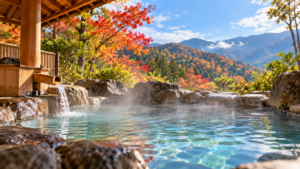
Many of Japan's shrines and temples are surrounded by beautiful trees, peaceful gardens, and flowing streams. These natural surroundings are often an important part of what makes the places feel so special.
But their true beauty goes far beyond what you can capture in a photograph.
Take a moment to slow down.
Listen to the rustling leaves, the gentle sound of flowing water, or the distant ringing of a temple bell. Feel the cool air beneath ancient trees, notice the fragrance of the forest or incense, and appreciate the textures of stone paths and wooden buildings.
Beyond the scenery lies something deeper: centuries of history, generations of craftsmanship, and the prayers and traditions of countless people who came before you.
You do not need to understand every religious ritual to appreciate the sacred atmosphere of these places.
Simply approach them with respect, curiosity, and an open mind.
Rather than experiencing Japan's shrines and temples only as sightseeing destinations, we encourage you to discover their history, sense their sacred atmosphere, and appreciate them with all five senses.
The most memorable part of your visit may not be the photograph you take, but the quiet moment you carry home with you.
For more advice on Japanese customs and planning your trip, explore our Japan Travel Essentials guide.
At Japan Insider Guide, we believe that understanding and respecting local traditions is one of the most rewarding ways to experience the real Japan.