How to Order Food at Restaurants in Japan: A Beginner's Guide to Japanese Dining
 komatsuna_admin
One of the greatest pleasures of visiting Japan is discovering its incredible food.
From crispy tonkatsu and fresh sushi to steaming bowls of ramen, delicate tempura, and sizzling yakiniku, Japan offers countless dining experiences that attract visitors from around the world.
But if you are visiting Japan for the first time, ordering food at a restaurant may seem a little intimidating.
Do restaurants have English menus? How do you call a server? Do you need to buy a meal ticket before sitting down? And should you leave a tip?
Japanese restaurants have their own ordering systems and dining customs, some of which may be unfamiliar to international travelers.
In this guide, you will learn how to order food at restaurants in Japan, from entering a restaurant and choosing your meal to paying the bill and leaving politely.
We will also introduce five popular Japanese dishes and explain what you should know before ordering them.
You do not need to speak perfect Japanese to enjoy a great meal. A little preparation can make dining in Japan much easier and more enjoyable.
1. How Japanese Restaurants Work: From Entering to Leaving
When You Enter: "Irasshaimase!"
When you enter a Japanese restaurant, staff members may greet you with irasshaimase, a welcoming expression commonly used in shops and restaurants.
You do not need to respond with a special phrase.
If a staff member asks how many people are in your group, you can simply hold up the appropriate number of fingers.
At busy restaurants, you may need to write your name on a waiting list, take a numbered ticket, or join a designated line.
Finding Your Seat
At many restaurants, a staff member will guide you to your table.
At cafés and self-service restaurants, you may be expected to choose your own seat.
Follow the signs or the staff's instructions rather than assuming that every restaurant uses the same system.
Ordering and Enjoying Your Meal
Once seated, check the menu and place your order using the restaurant's system.
Some restaurants provide menus with photographs or English descriptions, which can be especially helpful for first-time visitors.
When your food arrives, relax and enjoy the experience.
Paying and Leaving
In Japan, some restaurants ask customers to pay at a cashier near the entrance, while others offer payment at the table.
If a bill slip has been left on your table, you will often take it to the cashier when you are ready to leave.
As you leave, you can say gochisōsama deshita, a polite expression of thanks for the meal.
2. Four Common Ways to Order Food in Japan
1. Ordering Directly from a Server
At many traditional restaurants, family restaurants, and izakaya pubs, you order directly from a staff member.
If you are unsure how to pronounce a dish, you can point to it on the menu and say kore o kudasai, meaning "This one, please."
To get a server's attention, say sumimasen, which means "Excuse me."
2. Buying a Meal Ticket from a Vending Machine
Some ramen shops and casual restaurants use ticket vending machines near the entrance.
You choose your meal, pay at the machine, and receive a meal ticket.
Depending on the restaurant, you may hand the ticket to a staff member or place it in a designated location.
Some machines have photographs and multilingual options, but others display only Japanese text.
If possible, check the restaurant's menu online before visiting.
3. Ordering with a Tablet or QR Code
Tablet ordering systems are common at many conveyor-belt sushi restaurants and restaurant chains.
Some restaurants also let you scan a QR code and order using your smartphone.
Multilingual interfaces may be available, although English is not guaranteed at every restaurant.
If you have difficulty using the system, ask a staff member for help.
4. Ordering at the Counter
At cafés and self-service restaurants, you may order and pay at a counter before receiving your food.
Some establishments call your order number when the food is ready, while others provide a pager or buzzer.
If the restaurant has a designated dish-return area, bring your tray or dishes there after eating.
3. Five Popular Japanese Foods and How to Order Them
Japan is home to an extraordinary variety of delicious food. Here are five popular dishes that are well worth trying, along with practical ordering tips.
1. Tonkatsu: Crispy Japanese Pork Cutlet
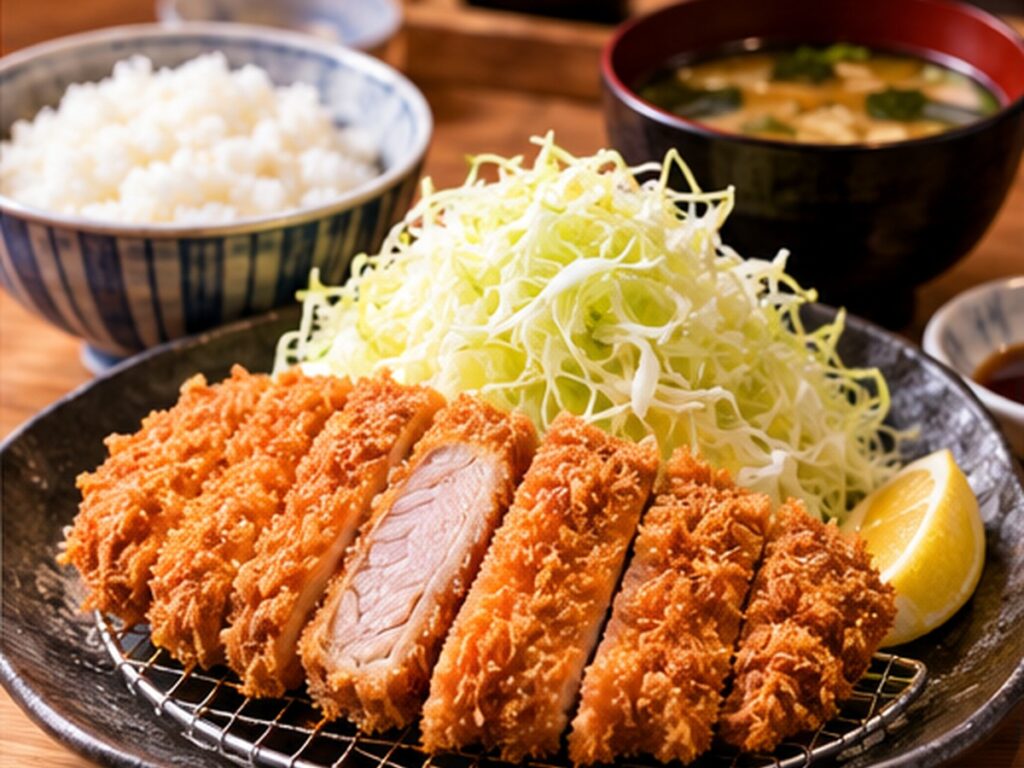
Tonkatsu is a popular Japanese dish made from breaded and deep-fried pork.
It is loved for its golden, crispy coating and tender, juicy meat.
At tonkatsu restaurants, you may be asked to choose between rōsu-katsu and hire-katsu.
Rōsu-katsu is usually made from pork loin and has a richer flavor due to its higher fat content. Hire-katsu is made from pork fillet and is generally leaner and tender.
A typical tonkatsu set meal includes rice, miso soup, and finely shredded cabbage.
Tonkatsu is often served with a thick, savory-sweet sauce, and some diners add a little Japanese mustard.
Some restaurants offer refills of rice or cabbage, but whether these are free depends on the restaurant.
Ordering tip: Knowing the difference between rōsu-katsu and hire-katsu will help you choose the style you prefer.
2. Sushi: One of Japan's Most Famous Foods
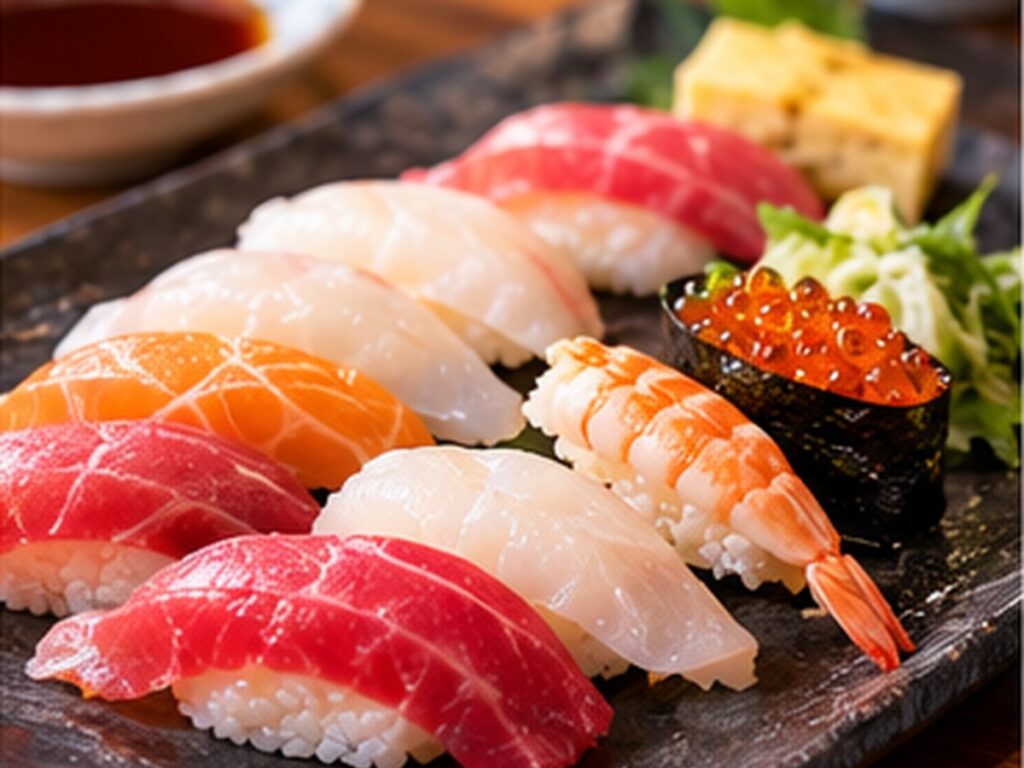
Sushi is one of Japan's best-known culinary traditions.
There are many varieties, including nigiri sushi, made with seasoned rice topped with fish or other ingredients, and maki sushi, which is rolled with seaweed.
Visitors can choose between traditional sushi restaurants and casual conveyor-belt sushi restaurants, often called kaiten-zushi.
At many modern conveyor-belt sushi restaurants, you order using a touchscreen, and your sushi is delivered directly to your seat.
A sushi assortment or set menu is a convenient way to sample several varieties.
Soy sauce and wasabi can be used according to your preference. Pickled ginger, called gari, is commonly eaten between different pieces of sushi to refresh your palate.
At conveyor-belt sushi restaurants, the bill may be calculated using plate types, recorded orders, or other systems depending on the establishment.
Ordering tip: If it is your first sushi experience, try an assortment or choose individual pieces using a picture-based touchscreen.
3. Ramen: Japan's Beloved Noodle Soup
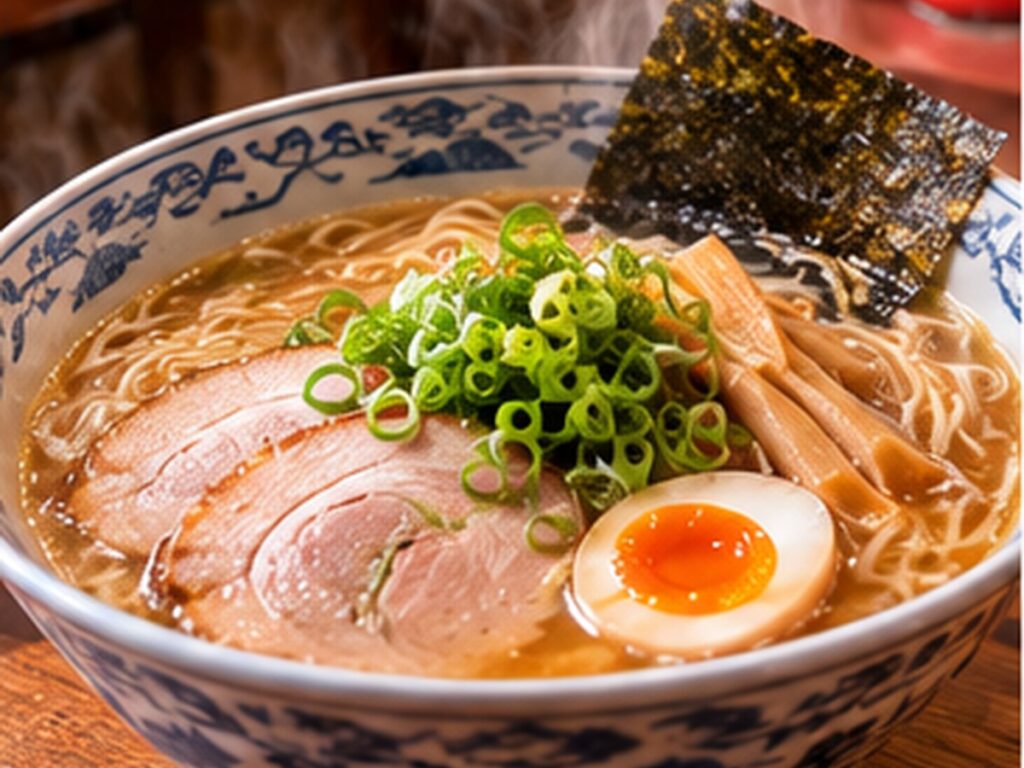
Ramen is one of Japan's most popular noodle dishes, with distinctive regional styles found throughout the country.
Common broth styles include shoyu (soy sauce), miso, shio (salt), and tonkotsu (pork bone).
Depending on the restaurant, you may be able to customize the firmness of the noodles, the richness of the broth, the amount of oil, or additional toppings.
Not every ramen shop offers these options, so follow the restaurant's menu.
Many ramen shops use meal-ticket vending machines, making it useful to understand how they work before visiting.
Popular ramen shops sometimes have long queues. Follow the posted instructions and avoid blocking nearby entrances or sidewalks.
Ordering tip: If you are unsure what to choose, try the restaurant's signature ramen or its most basic bowl.
4. Tempura: Light and Crispy Japanese Fried Food
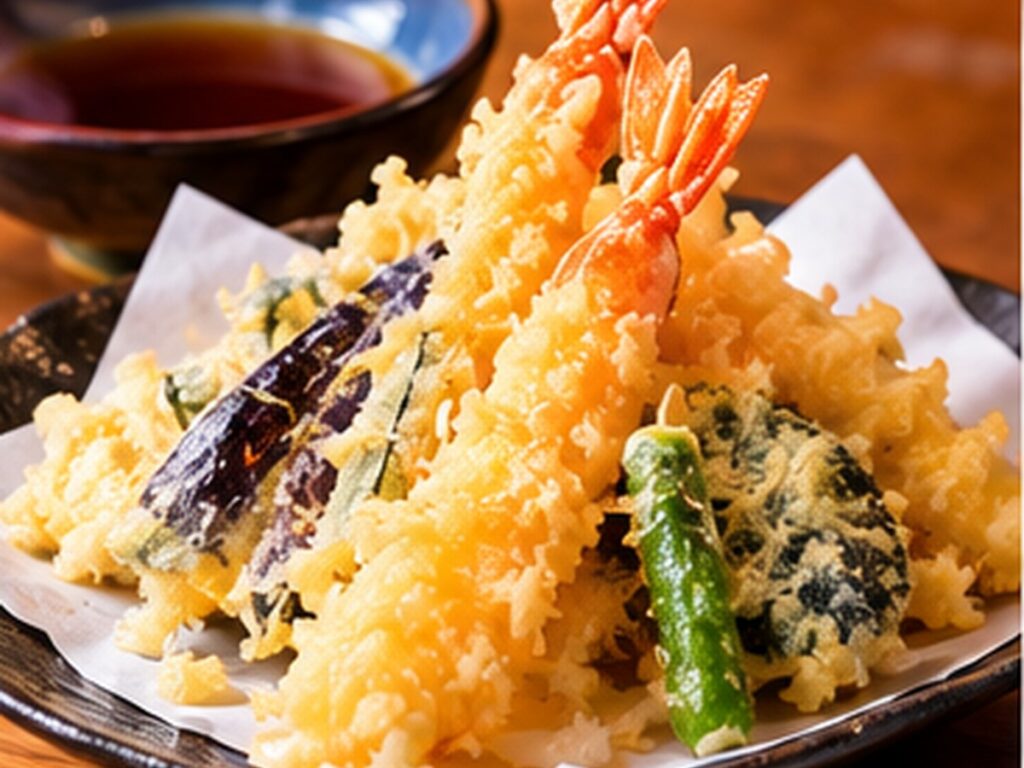
Tempura is a Japanese dish made by coating seafood or vegetables in a light batter and deep-frying them.
Popular ingredients include shrimp, pumpkin, eggplant, and sweet potato.
At tempura restaurants, you may see dishes such as tempura teishoku and tendon.
Tempura teishoku is a set meal typically served with rice and miso soup.
Tendon is a rice bowl topped with tempura and usually finished with a savory sauce.
Tempura may be enjoyed with a dipping sauce called tentsuyu or with salt, depending on the dish and restaurant.
Ordering tip: A mixed tempura assortment or set meal is a good choice if you want to sample different ingredients.
5. Yakiniku: Japanese-Style Grilled Meat
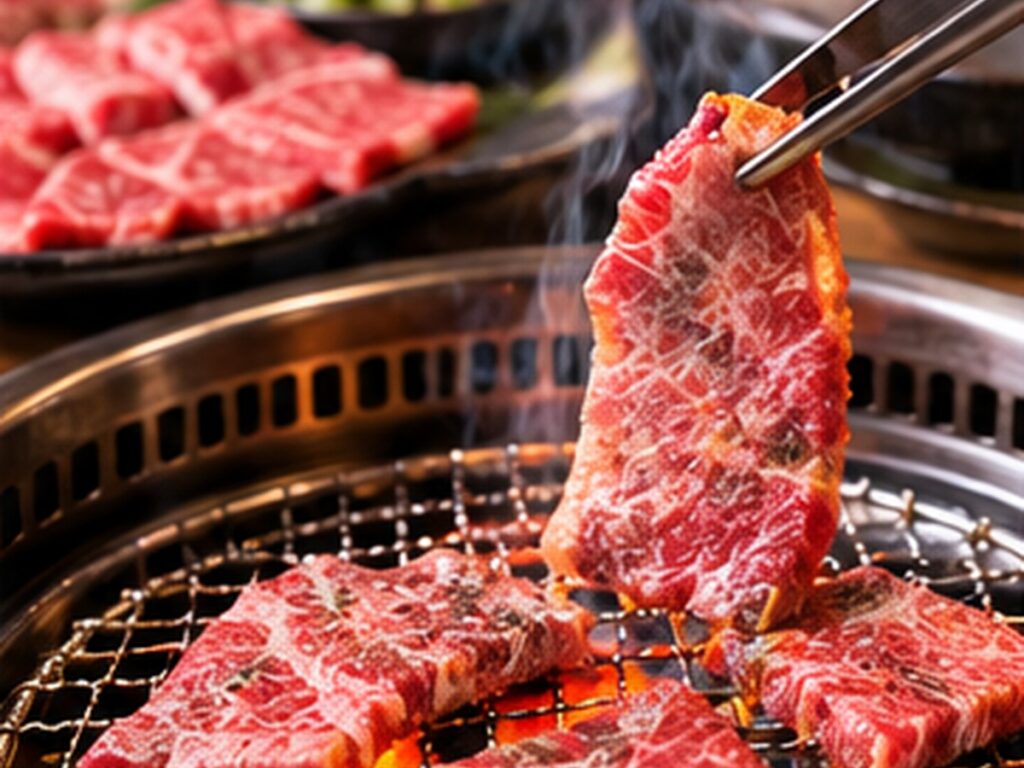
Yakiniku is a Japanese dining style in which guests grill meat at their own table.
Restaurants may offer various cuts of beef, pork, and chicken.
Some yakiniku restaurants offer individual dishes ordered separately, while others have all-you-can-eat plans with a fixed time limit.
If you choose an all-you-can-eat plan, check the time limit, included menu items, and any additional charges.
For food safety, use separate utensils for handling raw meat and eating cooked food, and cook meat thoroughly.
Grilled meat is commonly enjoyed with dipping sauce or salt.
Ordering tip: A mixed meat platter is an easy way to sample several cuts without ordering each one individually.
4. Useful Japanese Phrases for Ordering Food
You do not need to be fluent in Japanese to eat comfortably at restaurants. A few simple expressions can be extremely helpful.
Kore o kudasai (これをください) — This one, please.
Osusume wa nan desu ka? (おすすめは何ですか?) — What do you recommend?
Eigo no menyū wa arimasu ka? (英語のメニューはありますか?) — Do you have an English menu?
Omizu o kudasai (お水をください) — Water, please.
Sumimasen (すみません) — Excuse me.
Okaikei onegaishimasu (お会計お願いします) — The bill, please.
Gochisōsama deshita (ごちそうさまでした) — Thank you for the meal.
Even if you cannot pronounce a dish perfectly, pointing to its name or photograph on the menu can often help you communicate your order.
5. Japanese Dining Etiquette and Important Tips
Tipping Is Generally Not Expected
Unlike in some countries, tipping is not customary at most Japanese restaurants.
A polite expression of thanks is usually enough to show your appreciation.
Understand Otoshi at Izakaya Restaurants
At some Japanese izakaya pubs, a small appetizer called otoshi may be served automatically when you sit down.
There may be a charge for this dish, even though you did not order it separately.
Cover charges, seating fees, and service charges vary by restaurant, so ask if anything is unclear.
Use Chopsticks Respectfully
Japanese dining etiquette includes several customs involving chopsticks.
Avoid sticking chopsticks upright into a bowl of rice or passing food directly from one person's chopsticks to another's.
These actions are associated with funeral customs and are considered inappropriate at the dining table.
Check Ingredients If You Have Food Allergies or Dietary Restrictions
Japanese dishes may contain ingredients such as seafood, soy, wheat, and eggs.
Broths, sauces, and seasonings may also contain ingredients that are not obvious from the appearance of the dish.
If you have a food allergy, confirm the ingredients before ordering. If you cannot establish that a dish is safe for you, do not take unnecessary risks.
Be Considerate at Busy Restaurants
Popular restaurants may have long waiting lines, especially during lunch and dinner hours.
Do not cut in line, and avoid occupying a table for an unnecessarily long time after finishing your meal when others are waiting.
If you cannot attend a restaurant reservation, contact the restaurant as early as possible.
6. How to Pay at Restaurants in Japan
Japanese restaurants may accept cash, credit cards, electronic money, and other cashless payment methods.
However, not every payment method is accepted everywhere.
Some small restaurants and meal-ticket vending machines may require cash, so carrying some Japanese yen is a sensible precaution.
Payment procedures also vary.
At restaurants with a cashier, take your bill slip to the payment counter.
At restaurants offering table service, ask a staff member for the bill.
Since tipping is generally not expected in Japan, you normally only need to pay the amount charged by the restaurant.
7. Frequently Asked Questions About Japanese Restaurants
Can I Order Food in Japan Without Speaking Japanese?
Yes. Many restaurants offer picture menus, English menus, or touchscreen ordering systems.
Pointing to a dish on the menu is also useful, although multilingual support is not available everywhere.
Can I Eat Alone at Japanese Restaurants?
Absolutely. Many ramen shops, sushi restaurants, and casual eateries have counter seating that is convenient for solo diners.
Do I Need to Tip at Restaurants in Japan?
Generally, no. Tipping is not customary at most Japanese restaurants.
Some establishments may have separate service or seating charges.
Are Vegetarian Meals Available in Japan?
Yes, some restaurants offer vegetarian options.
However, even dishes that appear vegetarian may contain fish-based broth or animal-derived seasonings.
Always confirm the ingredients if you have dietary restrictions.
Do I Need a Restaurant Reservation?
Many ramen shops and casual restaurants accept walk-in customers.
Reservations may be required at high-end sushi restaurants, popular dining establishments, and restaurants serving special course meals.
What If I Buy the Wrong Meal Ticket?
Ask a staff member for assistance as soon as possible.
Whether your order can be changed or refunded depends on the restaurant's policies and how far the order has progressed.
8. Final Thoughts: Enjoy Japanese Food with Confidence
Japanese restaurants have a variety of ordering systems, from ticket vending machines and touchscreens to traditional table service.
These systems may seem unfamiliar at first, but once you understand the basics, dining in Japan becomes much easier.
Think of the crispy coating of freshly cooked tonkatsu, the delicate flavors of sushi, the rich aroma of ramen broth, the light crunch of tempura, or the sizzling sound of yakiniku on the grill.
Japanese food is an experience for all the senses.
Some of your most memorable meals may come not from famous restaurants, but from small neighborhood eateries and local favorites you discover along the way.
You do not need perfect Japanese or extensive knowledge of dining etiquette to enjoy these experiences.
Learn a few useful phrases, respect local customs, and do not be afraid to try somewhere new.
That first bowl of ramen or plate of freshly prepared sushi may become one of your favorite memories of Japan.
If you are looking for more casual Japanese food experiences, explore our guide to 15 must-try foods and snacks at Japanese convenience stores.
At Japan Insider Guide, we believe that understanding local customs makes every travel experience more rewarding.