Japanese Breakfast in Japan: What to Eat and Where to Try It
 komatsuna_admin
What comes to mind when you think of a Japanese breakfast?
Steamed white rice, miso soup, grilled fish, and tamagoyaki (Japanese rolled omelet) are familiar elements of a traditional Japanese breakfast. Small dishes arranged around a bowl of rice create one of Japan's most recognizable food traditions.
But breakfast in modern Japan is much more varied.
Some people enjoy toast and coffee at a café. Others grab a breakfast set at a restaurant or pick up rice balls at a convenience store. Regional specialties include sweet red bean toast in Nagoya, morning udon in Kagawa, and fresh seafood bowls at morning markets.
Whether you want a traditional meal, a quick bite, or something completely new, breakfast can be a wonderful way to discover everyday Japanese culture.
1. Traditional Japanese Breakfast: Rice, Miso Soup, and Grilled Fish
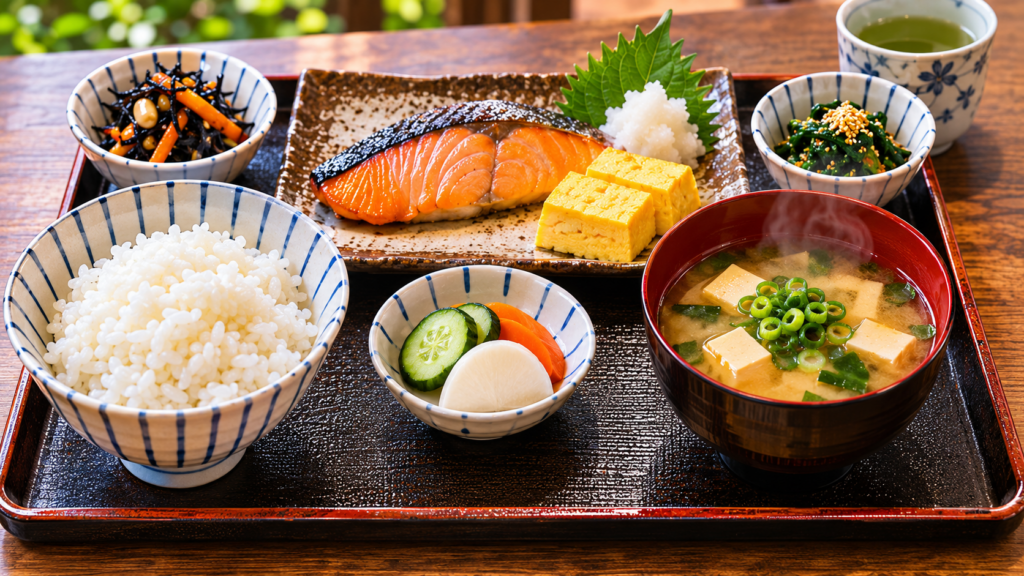
A traditional Japanese breakfast is usually built around rice, soup, and a selection of side dishes.
Common items include:
- Steamed rice: Warm white rice is a staple of Japanese meals.
- Miso soup: A comforting soup made with miso paste, often containing tofu, seaweed, or vegetables.
- Grilled fish: Salmon and mackerel are popular choices.
- Tamagoyaki: A rolled omelet that may be seasoned with dashi or sugar.
- Natto: Fermented soybeans with a distinctive aroma and sticky texture.
- Seaweed, pickles, and small side dishes: Additional flavors to enjoy with rice.
Of course, not every Japanese household prepares this kind of elaborate breakfast every morning. Many people prefer bread, cereal, or something quick before work or school.
For visitors, traditional Japanese breakfasts can be found at some ryokan (Japanese inns), hotels, and restaurants serving Japanese set meals.
2. Tamago Kake Gohan (TKG): Discover the Delicious Simplicity of Raw Egg and Rice
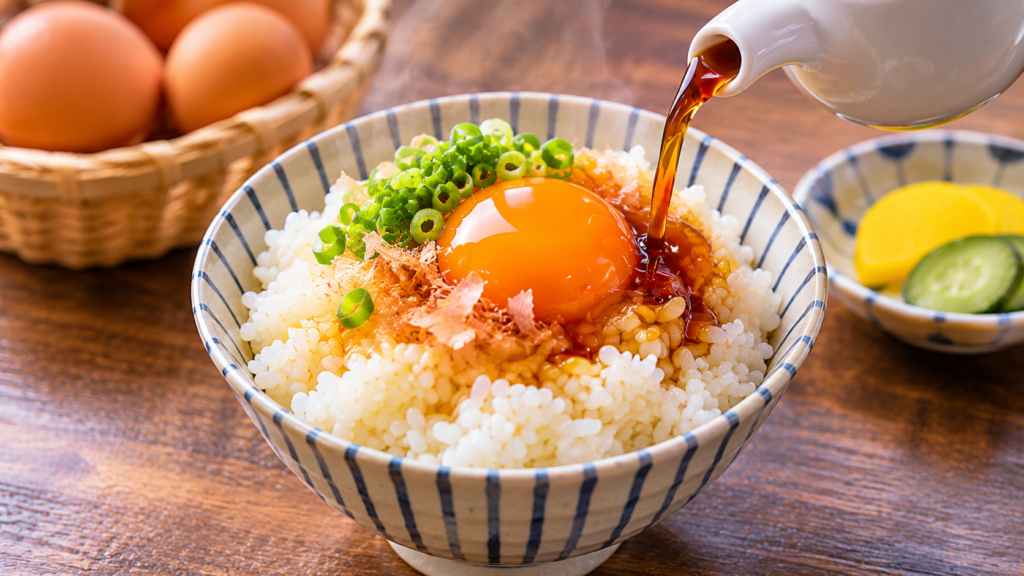
One of Japan's most distinctive breakfast dishes is tamago kake gohan, commonly abbreviated as TKG.
The recipe is surprisingly simple: crack a raw egg over warm steamed rice, add a little soy sauce, and mix everything together.
The result is a rich, creamy combination. The egg adds a smooth texture, the soy sauce brings savory depth, and the warm rice provides a gentle sweetness.
Some people add chopped green onions, shredded seaweed, or bonito flakes for extra flavor.
Why Do People Eat Raw Eggs in Japan?
Raw eggs are used in dishes around the world, but eating a raw egg mixed directly into a bowl of rice is a particularly recognizable Japanese food tradition.
In Japan, eggs intended for raw consumption are distributed under food safety practices that include attention to hygiene, handling, storage, and labeling.
That has helped make dishes such as tamago kake gohan and raw egg served with sukiyaki familiar parts of Japanese food culture.
However, this does not mean that every egg in Japan is automatically safe to eat raw.
Important Food Safety Precautions
Raw or undercooked eggs can carry harmful bacteria, including Salmonella. The risk is not zero, even in Japan.
- Use only eggs intended for raw consumption that have been handled and stored properly.
- Check the package's date and storage instructions, and avoid eggs with cracked shells.
- Keep eggs refrigerated as directed and consume them promptly after cracking.
- Pregnant people, young children, older adults, and people with weakened immune systems should avoid raw or undercooked eggs and choose thoroughly cooked egg dishes instead.
- If you have an egg allergy, avoid dishes containing eggs.
- Do not assume that eggs of unknown origin or storage history are suitable for raw consumption.
If you are uncomfortable eating raw eggs, there is no need to try them. Tamagoyaki, scrambled eggs, and other fully cooked egg dishes are delicious alternatives.
3. Kissaten Morning Sets: Coffee, Toast, and a Japanese Café Tradition
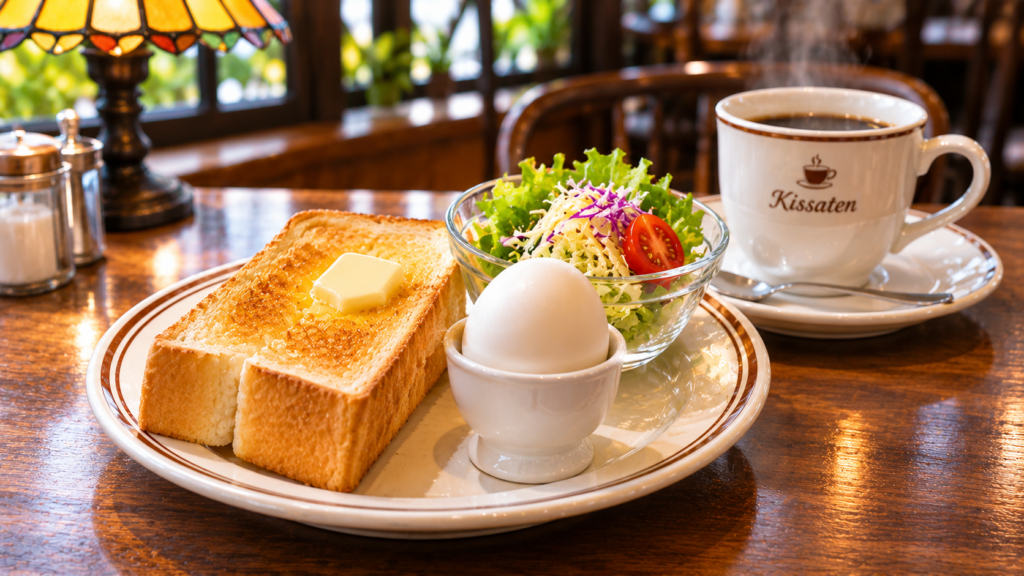
Japan has a charming café breakfast tradition known as morning service, often shortened to simply morning (モーニング).
At a traditional Japanese coffee shop, or kissaten, a morning set may include coffee or tea, toast, a boiled egg, and a small salad.
Some cafés include toast or another small dish with the price of a drink. Others offer a separate breakfast set or charge extra for additional items.
Morning service is especially famous in and around Nagoya, in Aichi Prefecture.
Nagoya's Famous Ogura Toast
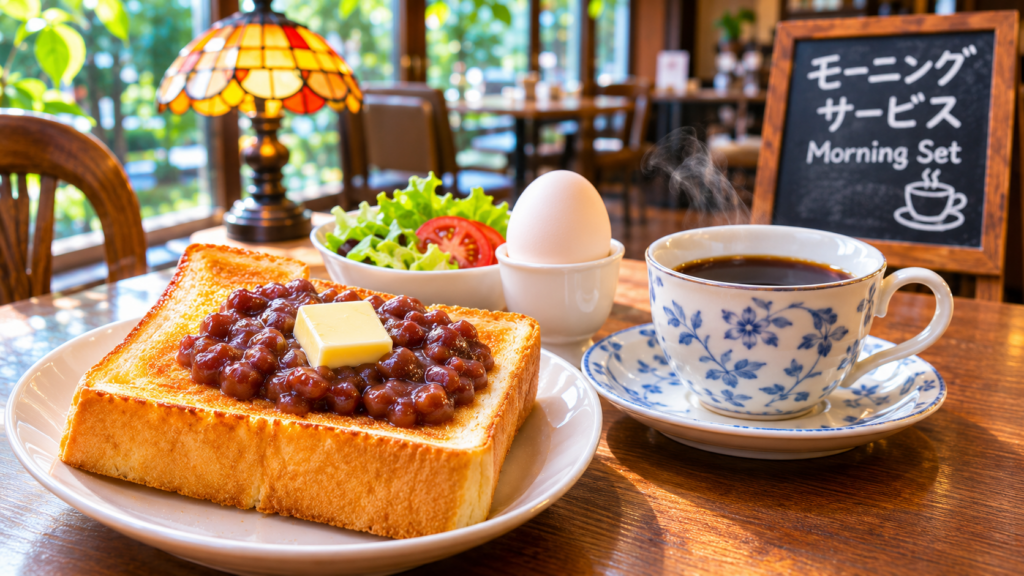
One of Nagoya's best-known café specialties is ogura toast.
It combines thick toast with butter and sweet azuki red bean paste. The gentle sweetness of the beans and the salty richness of butter create a surprisingly satisfying combination.
For visitors trying Japanese sweet red beans for the first time, ogura toast can be an approachable introduction.
Not every café includes ogura toast in its morning service, and some charge extra. Check the menu and breakfast hours before ordering.
4. Morning Udon in Kagawa: Noodles for Breakfast
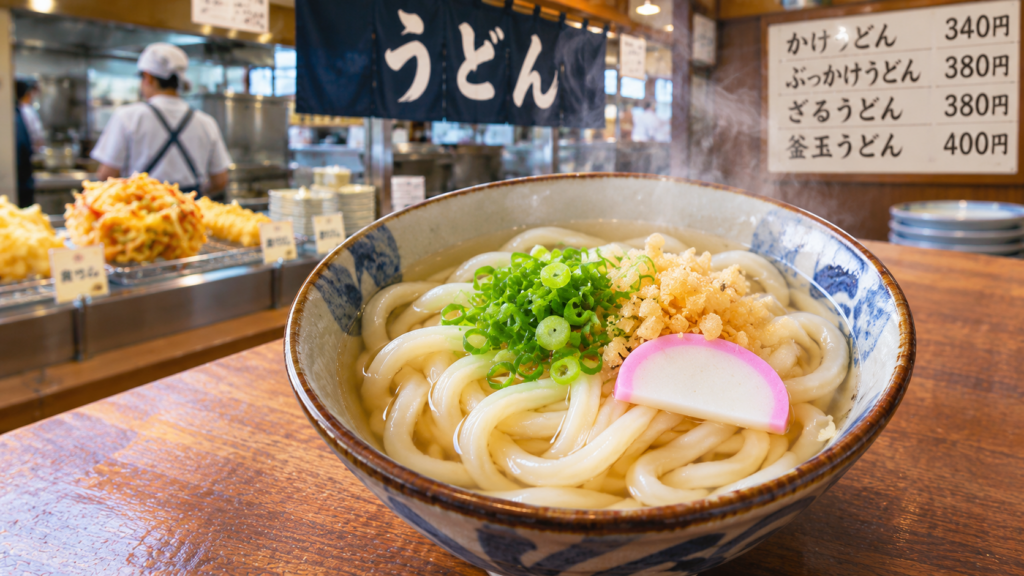
Breakfast in Japan does not always mean rice or bread.
Kagawa Prefecture, famous for its Sanuki udon noodles, has udon restaurants that open early in the morning.
Visitors can enjoy thick, chewy noodles in a warm broth or try a chilled udon dish, depending on the restaurant and season.
Some self-service udon shops let customers choose tempura, rice balls, and other side dishes to accompany their noodles.
Morning udon can be an affordable and memorable way to experience Kagawa's local food culture.
Not every udon restaurant opens for breakfast, so check opening hours and regular closing days before visiting.
5. Seafood Rice Bowls at Morning Markets
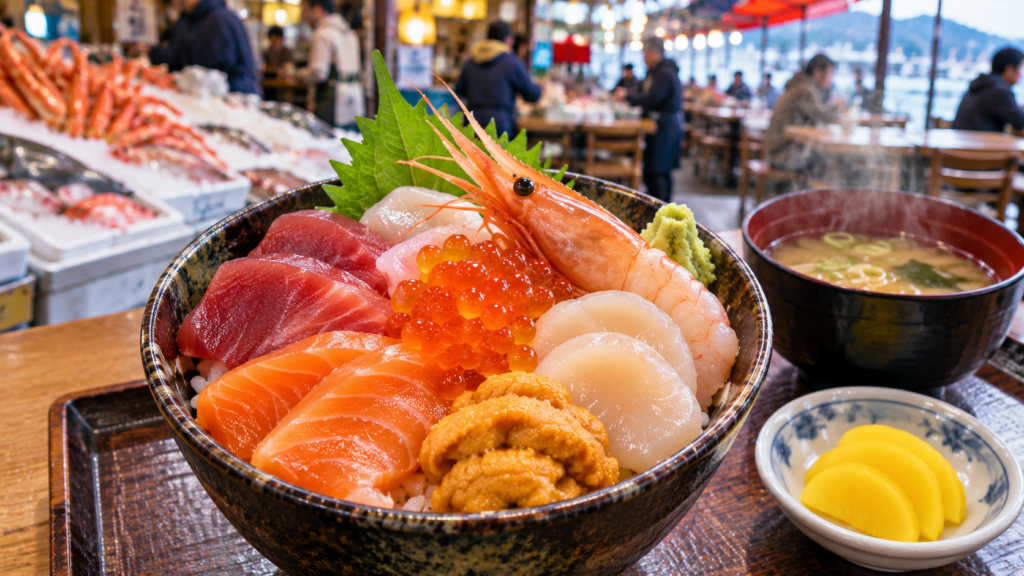
For a more indulgent start to the day, consider a kaisendon, a rice bowl topped with seafood.
Some morning markets and nearby restaurants, including places in Hokkaido such as Hakodate and Sapporo, serve seafood bowls early in the day.
Depending on the menu, toppings may include tuna, salmon, salmon roe, scallops, shrimp, and other seafood.
A colorful seafood bowl can turn breakfast into a memorable part of your sightseeing experience.
Because many seafood bowls contain raw fish or shellfish, travelers with allergies or concerns about raw seafood should choose carefully. Prices vary considerably depending on the ingredients and restaurant.
6. Breakfast at Gyudon Chains and Set-Meal Restaurants
If you want an affordable Japanese breakfast without spending much time, a gyudon (beef bowl) chain or set-meal restaurant can be a convenient choice.
Major chains such as Yoshinoya, Sukiya, and Matsuya offer breakfast menus at participating locations during designated hours.
Depending on the chain and location, you may find grilled fish sets, natto, egg dishes, rice, and miso soup.
These restaurants are generally approachable for solo diners and can be useful when you want a quick meal before sightseeing.
Some locations use ticket machines or touchscreen ordering systems. Menus with photographs can make ordering easier even if you do not speak Japanese.
Breakfast menus, prices, and service hours vary by restaurant, so check the current information for your chosen location.
7. Convenience Store Breakfast: Easy and Practical
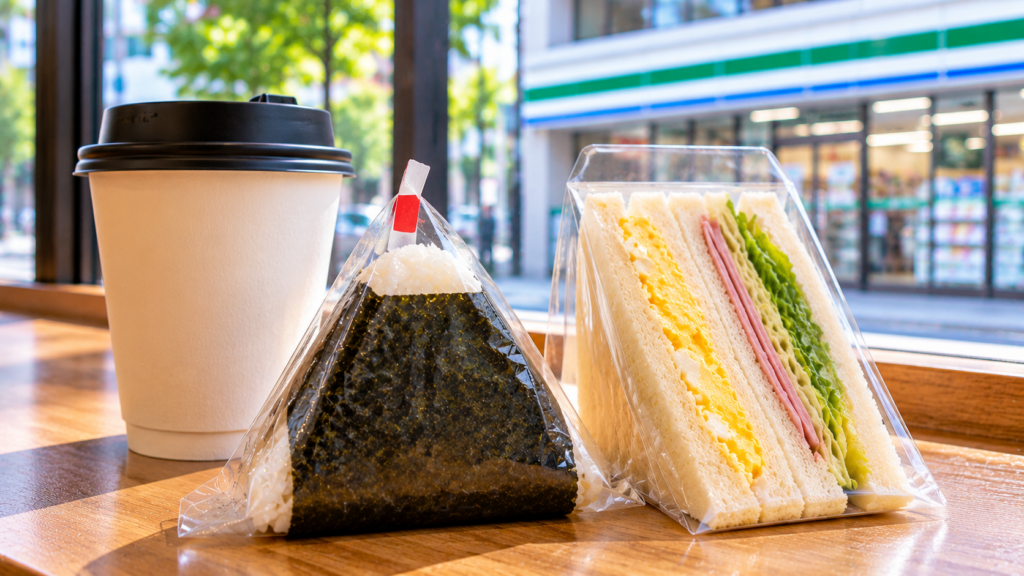
On days when you need to leave your hotel early, Japanese convenience stores can make breakfast simple.
Choose from onigiri (rice balls), sandwiches, bread, boiled eggs, yogurt, and drinks to create your own breakfast.
Popular rice ball fillings include salmon, pickled plum, and tuna mayonnaise. Japanese egg sandwiches are another convenient option worth trying.
A convenience store breakfast can be particularly useful before an early train journey or a busy sightseeing day.
For more ideas, read our guide to what to buy at Japanese convenience stores.
8. Hotel and Ryokan Breakfasts: Buffets and Breakfast Tickets

Many hotels in Japan offer breakfast buffets featuring a mixture of Japanese and Western dishes.
Depending on the hotel, you may find rice, miso soup, grilled fish, egg dishes, bread, salad, coffee, and other choices.
At some traditional ryokan, breakfast is served as an individual Japanese set meal with rice, soup, grilled fish, and small side dishes.
Important: Breakfast Tickets at Business Hotels
Some Japanese business hotels use a breakfast ticket system.
If breakfast is not included in your reservation, you may be able to pay for it at check-in and receive a breakfast ticket. Guests who booked a breakfast-inclusive plan may also receive a ticket at the front desk.
At hotels using this system, you present your ticket to the staff at the breakfast venue before entering.
If you forget your ticket, you may need to return to your room or ask the front desk to verify your breakfast entitlement.
Other hotels confirm breakfast eligibility using your room number or room key instead. Procedures vary by property.
At check-in, it is helpful to confirm:
- Whether breakfast is included in your room rate.
- Whether you can add breakfast and when payment is required.
- Whether a breakfast ticket will be issued.
- Where breakfast is served and the service hours.
- What to do if you lose your breakfast ticket.
Useful English Phrases
"Is breakfast included in my room rate?"
(宿泊料金に朝食は含まれていますか?)
"Do I need a breakfast ticket?"
(朝食券は必要ですか?)
"Can I add breakfast at check-in?"
(チェックイン時に朝食を追加できますか?)
Some hotels require advance arrangements and cannot accept same-day breakfast additions. Checking your booking details before arrival is the safest approach.
9. How Much Does Breakfast Cost in Japan?
Japan offers breakfast choices for a wide range of budgets.
| Breakfast Type | Approximate Budget |
|---|---|
| Convenience store breakfast | ¥300–¥800 |
| Gyudon chain or breakfast set | ¥400–¥800 |
| Café morning set | ¥400–¥1,000 |
| Udon shop breakfast | ¥400–¥1,000 |
| Morning market seafood bowl | ¥1,500–¥3,500 or more |
| Hotel breakfast buffet | Approximately ¥1,000–¥3,500 |
| Ryokan breakfast | Depends on the accommodation plan |
These figures are illustrative budget estimates, not guaranteed prices. Actual costs depend on the location, restaurant, season, and items ordered. Check current menus and hotel rates before your visit.
10. Practical Tips for Enjoying Breakfast in Japan
Check Breakfast Hours
Many restaurants serve breakfast only during specific hours. Café morning sets and chain restaurant breakfast menus may have different service times from their regular menus.
Check the restaurant's official website or current listing before visiting.
Be Aware of Allergens and Dietary Restrictions
Japanese breakfast dishes may contain eggs, wheat, soy, fish, dairy products, and other allergens.
Miso soup and udon broth may contain fish-based dashi, such as bonito stock, even when the dish looks vegetarian.
If you have food allergies or follow a vegetarian or vegan diet, confirm the ingredients before ordering.
Try Something New, but Follow Your Preferences
Natto, tamago kake gohan, and ogura toast may be unfamiliar to some visitors.
Trying these dishes can be a memorable part of discovering Japanese culture, but you never need to eat anything that makes you uncomfortable. Choose according to your tastes, health needs, and dietary preferences.
Final Thoughts: Discover Japan Through Breakfast
Japanese breakfast offers much more than the traditional combination of rice, miso soup, and grilled fish.
You might begin your morning with a cup of coffee and sweet ogura toast in Nagoya, enjoy a bowl of udon in Kagawa, or treat yourself to a seafood rice bowl at a morning market.
And for those who can safely enjoy raw eggs, tamago kake gohan shows how a few simple ingredients can create something remarkably delicious.
On your next trip to Japan, consider making time for breakfast. An ordinary morning meal might become one of your most memorable cultural experiences.